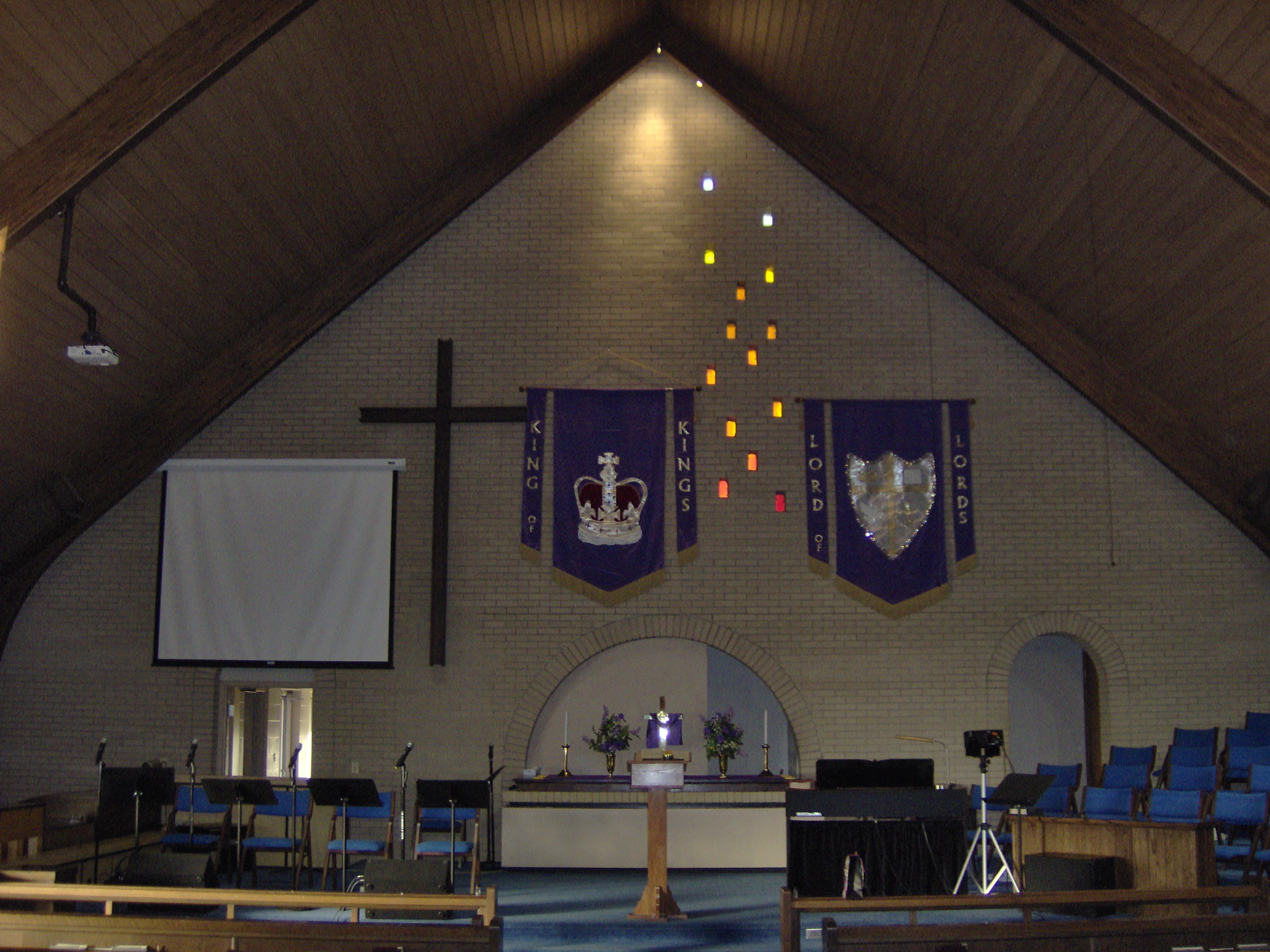
Receive the Holy Spirit
John 20:19-23
John 20:19–23 (NRSV): 19 When it was evening on that day, the first day of the week, and the doors were locked where the disciples were, for fear of the Jews, Jesus came and stood among them and said, “Peace be with you.” 20 After he said this, he showed them his hands and his side. Then the disciples rejoiced when they saw the Lord. 21 Jesus said to them again, “Peace be with you. As the Father has sent me, so I send you.” 22 When he had said this, he breathed on them and said to them, “Receive the Holy Spirit. 23 If you forgive the sins of any, they are forgiven them; if you retain the sins of any, they are retained.”
Verse 19
Eirēnē hymin in verse 19, is the phrase “Peace be with you” and it mirrors the Hebrew Shalom aleichem. However, in the Greek dative construction, it functions as more than a wish; it is a performative utterance—Jesus is literally granting the peace he promised in John 14:27
Verse 22
Enephysēsen is a verb in verse 22 occurs only once in the New Testament. It is the exact word used in the Septuagint at Genesis 2:7 when God breathes life into Adam.
Labete Pneuma Hagion in the Greek lacks the definite article “the.” A literal rendering is “Receive Holy Spirit.” This suggests a “giving of the essence” or a functional empowerment for their upcoming mission, distinct from the communal, hypostatic descent at Pentecost in Acts
The hypostatic union is a foundational Christian doctrine defining that Jesus Christ is one person (hypostasis) simultaneously possessing two distinct natures—fully divine and fully human—without mixture, confusion, or separation. Established at the Council of Chalcedon (451 AD), this concept ensures Jesus is mediator, capable of representing both God and humanity.
Verse 23 translated directly from Koine Greek:
“Whosever sins you forgive, they have already been forgiven by God; whosever sins you retain, they have already been retained.”
The disciples are pronouncing what God has already settled in heaven.